Recipe
Gluten-Free Bread Recipe
This page contains affiliate links – if you buy through them we may earn a commission, at no extra cost to you. The recommendations are our own assessment. As an Amazon Associate we earn from qualifying purchases.
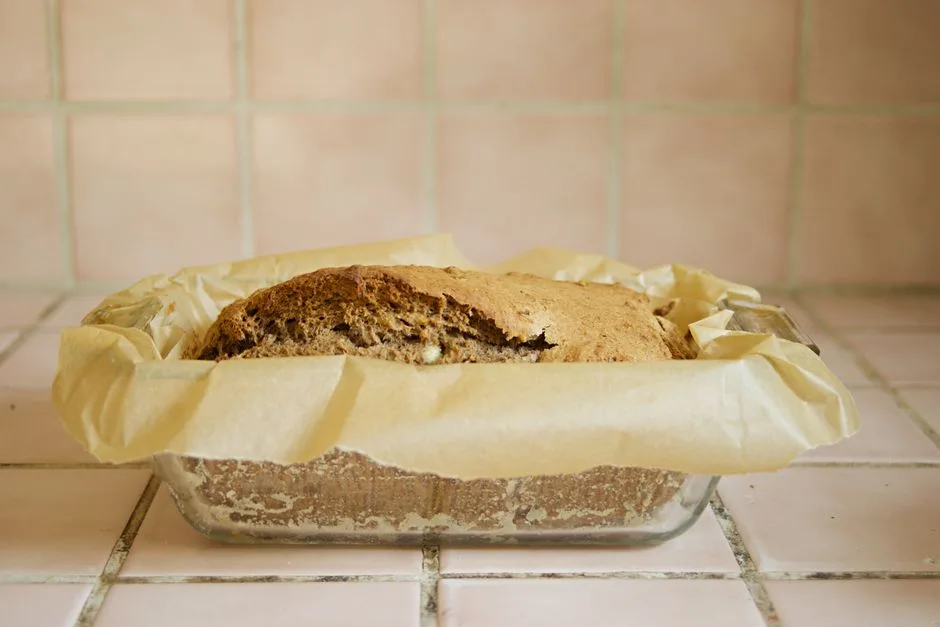
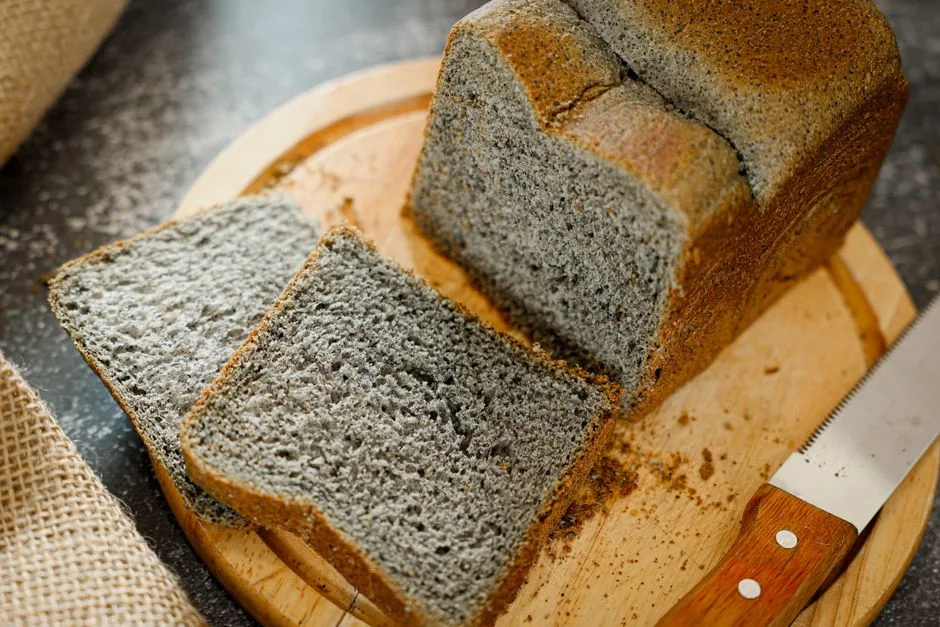
Homemade gluten-free bread has a reputation for being dense, gummy, or crumbly, but the fix is mostly technique, not luck. Unlike wheat bread, a gluten-free loaf starts as a thick batter rather than a kneadable dough, and it depends on psyllium husk or xanthan gum to trap the gas that yeast produces. This recipe keeps things simple with a single rise, a hot oven, and one non-negotiable step: baking to an internal temperature instead of guessing by color. The result is a soft, sliceable loaf that holds up to toasting, spreads, and lunchbox sandwiches.
Everyday Gluten-Free Sandwich Loaf
Ingredients
- 3 1/4 cups (455 g) gluten-free all-purpose flour blend
- 2 tablespoons (16 g) whole psyllium husk, OR 2 teaspoons xanthan gum if your blend contains none
- 2 teaspoons instant yeast
- 1 1/2 teaspoons fine salt
- 1 tablespoon (12 g) sugar
- 1 1/4 cups (300 g) warm water, about 100°F (38°C)
- 2 large eggs, at room temperature
- 3 tablespoons (42 g) neutral oil or melted butter
- 1 teaspoon cider vinegar
Instructions
- Grease a 9x5-inch (23x13 cm) loaf pan and line it with a parchment sling.
- In a large bowl, whisk together the flour blend, psyllium (or xanthan), yeast, salt, and sugar.
- Add the warm water, eggs, oil, and vinegar. Beat 2 to 3 minutes until thick, smooth, and sticky. It should look like a heavy batter, not a kneadable dough.
- Scrape the batter into the pan and smooth the top with a wet spatula.
- Cover loosely and let rise in a warm spot 45 to 60 minutes, until the batter just crests the pan rim. Do not overproof.
- Meanwhile, heat the oven to 400°F (205°C).
- Bake 45 to 55 minutes, tenting loosely with foil after about 25 minutes if the top is browning quickly.
- The loaf is done when the internal temperature reaches 205 to 210°F (96 to 99°C) on an instant-read thermometer.
- Cool in the pan 10 minutes, then turn out onto a rack and cool completely, at least 1 hour, before slicing.
Tips for a better loaf
- Weigh your flour. GF blends vary widely by the cup, and a kitchen scale is the single biggest upgrade for consistent results.
- Psyllium vs. xanthan: whole psyllium husk builds a chewier, more bread-like crumb and stronger structure; xanthan is convenient but turns gummy if overused.
- Warm, not hot. Yeast begins to die around 130°F (54°C), so keep the water at comfortable bathwater warmth, about 100°F (38°C), and never hot to the touch.
- Do not overproof. GF batter has no gluten net, so if it rises too high it collapses in the oven. Bake when it just reaches the pan rim.
- Cool before slicing. The crumb finishes setting as it cools; cutting warm bread releases steam and leaves it gummy.
- Slice and freeze the cooled loaf, then toast straight from frozen. Gluten-free bread stales fast at room temperature.
A note on labels and cross-contamination: a gluten-free statement on the packaging is a regulated claim, permitted in both the EU and the US only where the food holds no more than 20 mg of gluten per kilogram. Flour, yeast, or an add-in without that statement has no checked gluten level. Gluten also travels outside the ingredient list: shared toasters, cutting boards, colanders, and airborne flour dust carry wheat into food that contains none itself. This article is for general baking information only and is not medical or dietary advice. What applies to you with celiac disease or a gluten sensitivity is a question for a doctor or dietitian.
Do I need both psyllium husk and xanthan gum?
No, choose one binder. Psyllium husk gives the strongest structure and a chewier crumb; xanthan gum is a fine substitute. If your flour blend already contains xanthan, do not add more or the loaf can turn gummy.
Why is my gluten-free bread gummy inside?
The two usual culprits are slicing before the loaf is fully cool and underbaking. Always bake to an internal temperature of 205 to 210°F (96 to 99°C), and let the loaf cool at least an hour so the starches can set.
Can I make this loaf dairy-free or egg-free?
For dairy-free, use oil or vegan butter. Eggs add lift and structure, so removing them changes the crumb. A common swap is a flax or extra psyllium gel, but expect a denser, more tender loaf.
Can I use active dry yeast instead of instant?
Yes. Proof it first in the warm water with the sugar for 5 to 10 minutes until foamy, then continue with the recipe as written.
How should I store gluten-free bread?
Keep it on the counter no more than a day or two, since it dries out quickly. For best results, slice the cooled loaf, freeze it, and toast slices straight from the freezer.
Related guides